Tag: healthcare billing

  • Patient-Centric Billing: Enhancing Transparency and Satisfaction

    Patient-Centric Billing: Enhancing Transparency and Satisfaction

    In today’s healthcare landscape, patient satisfaction goes far beyond quality clinical care. Financial interactions—including billing practices—play a crucial role in shaping a patient’s overall experience. Patient-centric billing is all about making the billing process transparent, understandable, and stress-free for patients. By adopting strategies that focus on clarity and customer service, healthcare providers can build trust, improve satisfaction, and even enhance their revenue cycle management.
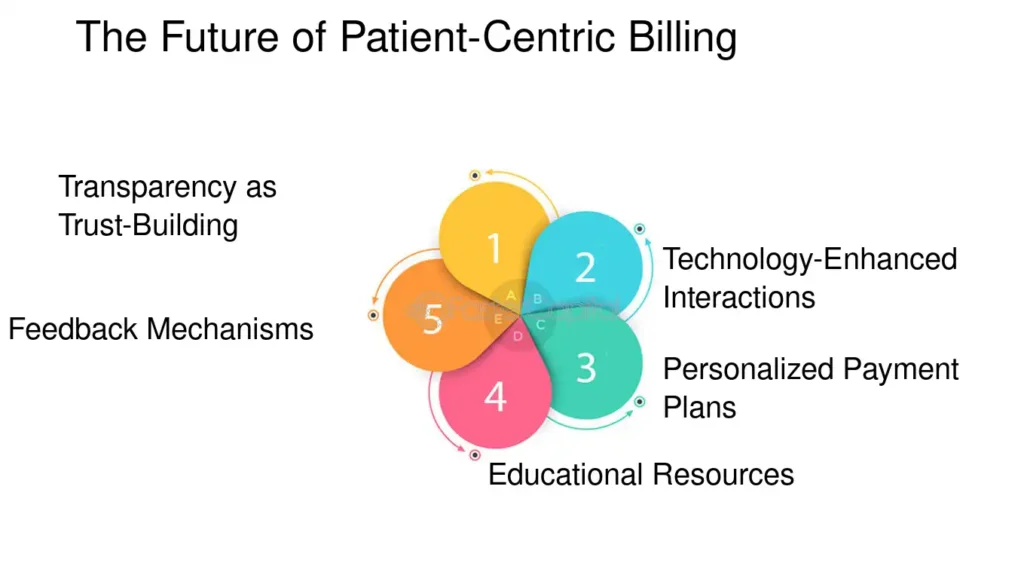
    Patient Centric Billing

    Understanding Patient-Centric Billing

    Traditional billing methods often leave patients confused with lengthy invoices and complicated medical codes. Patient-centric billing reimagines this process by focusing on the needs of the patient. It involves clear communication, easy-to-understand billing statements, and proactive support to address any questions or concerns. This approach ensures that patients are well-informed about their financial responsibilities and can make decisions confidently regarding their healthcare expenses.

    Why Transparency Matters

    Transparency in billing not only builds trust but also minimizes the risk of billing disputes and delays in payments. When patients clearly understand what they are being charged for, they are more likely to pay on time and feel satisfied with the services they receive. This open communication can also reduce the number of billing inquiries and the administrative burden on your office, allowing your team to focus on delivering quality care.

    Key aspects of transparency in billing include:

    • Clear Breakdown of Charges: Instead of a long list of codes, provide a simplified breakdown of the services rendered and their associated costs.
    • Accurate and Timely Statements: Ensure that invoices are sent promptly and accurately reflect the care provided.
    • Accessible Communication Channels: Offer multiple avenues for patients to ask questions or resolve issues—whether through a dedicated billing hotline, email, or online portal.

    Enhancing Patient Satisfaction

    Patient-centric billing directly impacts satisfaction by making the financial side of healthcare as seamless as possible. When patients have a positive billing experience, it enhances their overall perception of the healthcare provider. Here are some benefits:

    • Reduced Confusion and Stress: Simplified billing statements help patients understand their expenses, leading to reduced anxiety over medical bills.
    • Improved Patient-Provider Relationship: Transparent billing practices can foster trust and open communication, making patients more likely to stick with your practice.
    • Increased Payment Compliance: When patients are informed and satisfied, they’re more likely to pay their bills promptly, which improves the overall financial health of the practice.

    Implementing Patient-Centric Billing Practices

    Bills

    Successful patient-centric billing requires a combination of technology, process improvements, and effective communication. Consider these strategies:

    1. Invest in Modern Billing Software:
      • Utilize advanced billing solutions that can generate clear, concise invoices and automate repetitive tasks. This technology can help ensure accuracy while freeing up staff to focus on patient interactions.
      • Automated systems can also offer patients online payment options, making it easier for them to settle bills at their convenience.
    2. Simplify Billing Statements:
      • Replace medical jargon and complex codes with plain language explanations that patients can easily understand.
      • Include visual aids, such as charts or infographics, to break down charges and illustrate where each cost is coming from.
    3. Enhance Communication:
      • Provide a dedicated billing support team that can quickly address patient inquiries and resolve billing issues.
      • Develop clear, accessible resources—both online and in print—that explain the billing process, insurance coverage, and payment options.
    4. Offer Flexible Payment Options:
      • Introduce payment plans or financing options to accommodate patients with varying financial situations.
      • Consider partnerships with third-party payment processors that specialize in healthcare to ensure secure and convenient transactions.
    5. Regularly Review and Update Processes:
      • Continuously gather feedback from patients regarding their billing experience.
      • Use this feedback to refine processes and implement improvements that make the billing process even more user-friendly.

    How InvoQuest Supports Patient-Centric Billing

    At InvoQuest, we understand that a patient-friendly billing process is integral to both patient satisfaction and a healthy revenue cycle. Our solutions are designed to automate billing tasks, reduce errors, and provide clear, understandable billing statements. By focusing on patient-centric practices, we help healthcare providers build trust, improve collections, and ultimately enhance the overall patient experience.

    For more information on how our billing solutions can transform your practice, visit www.invoquest.us. To speak with a specialist, call us at (888) 392-8990 or reach out through our contact page.

    Conclusion

    The move toward patient-centric billing is not just a trend—it’s a necessity for modern healthcare providers. By prioritizing transparency and patient satisfaction, providers can create a more efficient billing process that benefits both the practice and its patients. Embracing technology, clear communication, and flexible payment options are key to transforming the billing experience and building lasting trust with patients.

  • Strategies for Effective Accounts Receivable Management in Healthcare

    Strategies for Effective Accounts Receivable Management in Healthcare

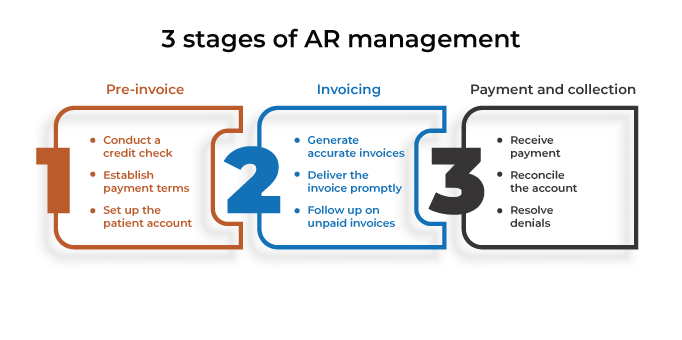
    Efficient accounts receivable (AR) management is a cornerstone of a financially healthy healthcare practice. In an environment where timely reimbursements directly impact cash flow and overall operational success, healthcare providers must adopt robust strategies to manage AR effectively. In this blog post, we explore key challenges in AR management, provide actionable strategies for improvement, and highlight how technology can transform your billing processes.

     Effective Accounts Receivable Management in Healthcare

    Understanding the Importance of Accounts Receivable Management

    Accounts receivable represents the revenue that a healthcare provider expects to receive from insurance companies and patients. When AR is not managed effectively, practices may face delayed payments, increased bad debt, and overall financial strain. Efficient AR management not only improves cash flow but also enhances patient satisfaction and reduces administrative burdens.

    Challenges in Healthcare AR Management

    Healthcare AR management is often complicated by various factors:

    • Complex Billing Processes: Multiple coding systems and regulatory requirements can result in billing errors, leading to delayed or denied claims.
    • Patient Payment Delays: Patients sometimes struggle with understanding their bills, resulting in late payments and increased collections efforts.
    • Insurance Reimbursements: Variability in insurance processing and claim adjudication can further delay revenue collection.
    • Administrative Overload: Manual processes and inefficient systems often lead to high administrative costs and resource strain.

    Strategies for Improving AR Management

    Implementing effective strategies to address these challenges can make a significant difference in a provider’s revenue cycle. Here are some key approaches:

    1. Automate Billing Processes

    Automation is a game-changer for AR management. By integrating advanced billing systems, providers can:

    • Reduce Errors: Automated systems minimize human errors in coding and data entry, resulting in fewer claim denials.
    • Streamline Workflows: Automation accelerates the entire billing process—from claim generation to follow-up—ensuring faster revenue turnaround.
    • Enhance Data Accuracy: Real-time validation and error checking help maintain the accuracy of billing records, reducing the need for costly rework.

    2. Implement Clear Patient Communication

    Patient understanding of billing procedures can significantly reduce delays:

    • Transparent Billing Statements: Providing detailed, easy-to-understand billing statements helps patients understand their financial obligations.
    • Payment Plans: Offering flexible payment plans and online payment options can encourage timely patient payments.
    • Educational Resources: Educating patients on the billing process, insurance contributions, and any out-of-pocket costs can preempt misunderstandings and disputes.

    3. Optimize Insurance Claim Processes

    Insurance claims are a major component of healthcare AR:

    • Accurate Coding: Ensuring that medical codes are correct minimizes claim denials and facilitates faster reimbursements.
    • Regular Follow-Ups: Establishing a systematic follow-up process for unpaid claims helps identify and address issues promptly.
    • Audit and Feedback: Regular audits of insurance claims can reveal recurring issues and inform necessary improvements.

    4. Leverage Advanced Analytics

    Data analytics can provide deep insights into AR performance:

    • Identify Trends: Analyzing billing data can highlight patterns, such as common causes for delayed payments or frequent claim denials.
    • Predictive Analytics: Advanced systems can forecast potential bottlenecks and allow proactive adjustments to billing processes.
    • Performance Metrics: Tracking key performance indicators (KPIs) such as days in AR and claim denial rates helps monitor progress and refine strategies.

    5. Partner with Expert Solutions

    Healthcare providers often benefit from partnering with specialized companies that offer tailored AR management solutions. At InvoQuest, our expert team is dedicated to optimizing your revenue cycle through:

    • Customized Billing Solutions: Tailored to meet the unique needs of your practice, ensuring smooth claim processing and accurate coding.
    • Ongoing Support: Continuous training and support to keep your staff updated on the latest regulatory changes and billing practices.
    • Advanced Technologies: Leveraging state-of-the-art software to automate workflows, enhance data accuracy, and reduce manual efforts.

    Embracing Technology for a Brighter Financial Future

    Investing in technology is not just about automating tasks—it’s about transforming your entire revenue cycle. Modern billing systems can integrate seamlessly with electronic health records (EHRs) and other practice management tools, providing a holistic view of your financial performance. This integration allows for:

    • Faster Decision-Making: Real-time data access enables quick decision-making and proactive management of AR.
    • Improved Cash Flow: Efficient AR management leads to faster collections, ensuring a steady cash flow for operations.
    • Enhanced Patient Satisfaction: Streamlined billing processes reduce patient frustration and foster a more transparent financial relationship.
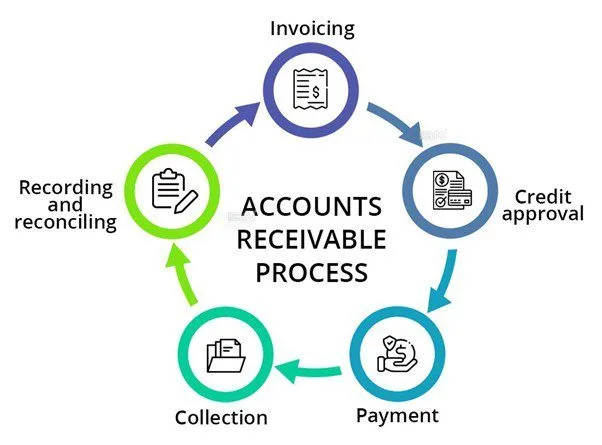
    Accounts Receivable Process

    Conclusion

    Effective accounts receivable management is essential for maintaining a healthy financial foundation in healthcare. By automating processes, optimizing insurance claims, communicating clearly with patients, and leveraging advanced analytics, providers can significantly reduce delays and improve their revenue cycle.

    At InvoQuest, we are committed to helping healthcare providers navigate these challenges with innovative solutions. To learn more about how we can enhance your AR management, visit www.invoquest.us, call us at (888) 392-8990, or get in touch through our contact page today.